Living with chronic depression doesn’t have to be a prison sentence. While dealing with depression is not all sunshine and rainbows, you can live a fulfilling life and make a positive impact in the lives of others.
It just takes the right tools, people, and mindset.
Then you need to incorporate these 10 high impact elements into your life.
*This post contains some affiliate links for your convenience. This means that if you click on one of these links and make a purchase, I will receive a small commission. This does not cost you a penny more and Is one of the ways I support my blog and family. You can read my full disclosure policy here.
My Experience Dealing with Depression
I was 19, and in the middle of my sophomore year of college, when depression first became a part of my life.
It probably wasn’t until I became a mother that I really started to come to terms with my the fact that was going to be part of my life for the long haul.
During my 20 years of experience suffering from Major Depressive Disorder, I have come to find and learn certain things that help me endure, cope, and sometimes even stave off a major episode of depression.
Update: After so many years of experiencing depression and mood challenges, I have been diagnosed with Bipolar 1 Disorder. It took until I was 40 years old to have my first manic episode. I still believe that I am a stronger and better version of myself from going through my mental health ups and downs.
Treatment by Licensed Mental Health Professionals
1. An Awesome Psychiatrist
I can’t emphasize this enough. I have had my share of not so great ones. I encourage you to try to find people that can personally refer a doctor. If not, then see about having consultations with new psychiatrists to find someone who resonates with you. Trust your gut feeling and when they start a new treatment plan for you, have them make a case for why they think it is the proper course of treatment.
2. The Right Meds and/or Therapy
I know that some of you might struggle with the idea of being on medication, especially long-term, but if you have true clinical depression they are your first line of defense. A true chemical imbalance warrants medication. Always. There are lots of other things that can help when dealing with depression (like SAD Light Therapy) but without the right medications prescribed by your psychiatrist you are building your house (mental health) on
Proper Self Care
3. Time Each Day for Yourself
Okay, I have to laugh at this one.
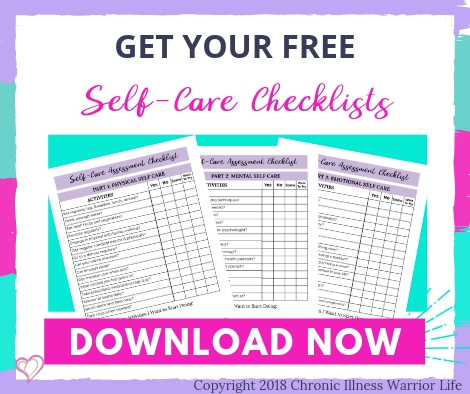
4. A Solid Self-Care Routine
I know that may sound silly to some, but when you are in a really low spot, self-care is not at the top of your list of priorities. You may even sometimes feel like you don’t deserve
You also need to have a Self-Care Toolkit created for yourself in order to maintain a solid self-care routine that will improve your mental health.
5. A Hobby
When your depression is not managed, it can be hard to find interest in doing things. It’s important to find a hobby or special interest you really love. Then even during the times when you are not feeling your best, it will be easier to engage in activities that bring you joy.
Having tried many different hobbies, I have found that I love to create. I love making jewelry, sewing, DIY projects around the house, crocheting, and of course, blogging. It’s really hard not to be proud of things you make.
And you can learn anything you want. Have you checked out Udemy? You can take a course to learn something new on just about any topic.
Also, read The Best Hobbies and Why You Should Have One and you can get a free PDF of some of the best beginner tutorials.
6. Laughter
A simple little joke is not what I am talking about. Rather, I am speaking of laughing so hard, and for so long, you pee your pants a little. Watching comedy specials, like with comedian Jim Gaffigan, is my favorite way to laugh. Having a girl’s night out where you shut the restaurant down because you are so busy talking and laughing. Also, playing games with family or friends like Apples to Apples, Twister, Bop It, or Charades. Figure out what tickles your funny bone and submerge yourself in it!
Read more. . .
- What Does Self Care Really Mean Anyway?
- 60+ Thoughtful Gift Ideas (For Someone With Depression)
- 18 Awesome Mental Health Apps for Depression
- 14 Binge-Worthy Mental Health Podcasts
- How to Keep Your Medications Straight with Free Printable Medication Tracker
Support
7. Community
We all need to feel understood. That is why community, (whether in-person or online) is a vital element of living with depression. Having the ability to connect with others who face similar challenges helps you feel less alone. And let’s face it, depression compels you to avoid social interactions and activities.
One of my favorite places to find support on the web is TheMighty website and community. But, there are many more places online to find support for dealing with depression. Start your search by reading Online Support Groups, Resources
8. A Support System
You need to be able to ask for help when you need it. Whether it is family, friends, or likely a combination of both, these are people you can rely on to provide support at times when you just can’t handle everything on your own.
9. An Advocate
Often times when you are seeking the right psychiatrist, you are in a time of crisis. Maybe not always, but the chances are pretty high that you will be. In that event, you won’t be able to think your clearest and most logically. It is important to have someone- husband, parent, sibling, friend- to “think” for you and assess the situation and help you choose how to go forward.

Finally, . . .
10. A Purpose
This purpose can come in many forms. It could be chasing a dream, or it could be a new responsibility. I used both.
After I had my first child, I went through a really difficult time with my depression. But I noticed I didn’t spend as much time thinking about how awful I was feeling which would lead to a downward spiral of negative thoughts. Being a mother forced me to “get outside of my head” and focus on the little person I loved so much.
There are many other ways to find a purpose for your life. A career choice, volunteering for a cause, building a business around doing something you love, are all ways to lead a fulfilling life.
One where you are not just surviving, but thriving.
Need a special gift? Read 60+ Thoughtful Gift Ideas (For Someone With Depression)
I am extremely grateful for my husband. He had no experience with dealing with depression and he did not understand it AT ALL when we first got married. But, even though the logic may elude him, he recognizes that depression is real and it truly is something I cannot control. He has learned to support and guide me through the tough times and is the first one to say, “It’s ok if you don’t get everything done because you are just trying to get through the day.”
He reminds me all of the time when I feel like I am failing at being a good wife and mother that keeping up with housework is not the measure of my worth. That simply loving and being with our children is way more important than making sure their socks always match or that the house is always clean. He is happiest when I am happy and I think that is so amazing and selfless. I strive to be a little more like him every day.
Get a Free Medication Tracker Chart by Clicking the Button Below!
How long have you dealt with depression? Are there certain things that are invaluable to you when you are at your lowest points? I would love to hear about your experience with depression. Please comment below!
P.S. If you found these 10 Must-Haves You Need for Dealing with Depression, help me by pinning it for later? I would really appreciate it!